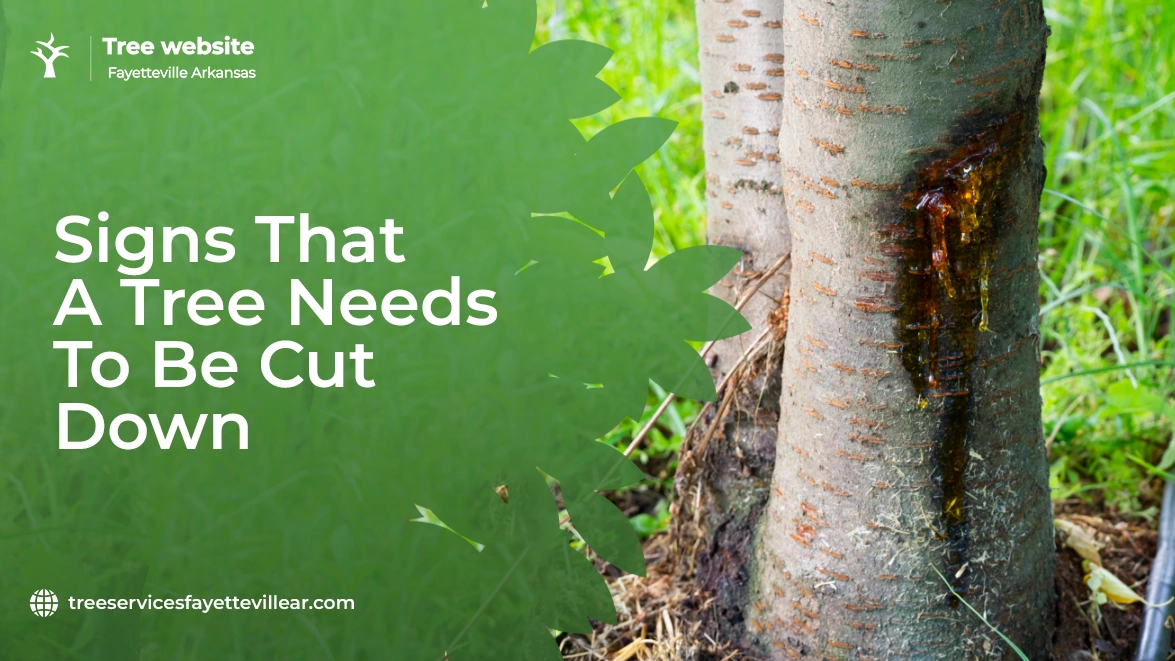
Trees enhance your property’s beauty and value but can become dangerous if they are leaning or at risk of falling. If a tree shows symptoms of disease, significant storm damage, or cracks, it may be time to chop it down. Moreover, root damage, odd structures, and risk to buildings are signs that your tree needs to be removed. Ignoring these warning signs can endanger your home, vehicles, and possibly your family. Tree Services providers can handles tree-related issues and helps identify the signs.
Warnings Signs Your Tree Needs To Be Removed
The importance of trees can’t be neglected, but sometimes it’s also important to remove a tree that becomes a danger to human life or property. Here are the key signs that indicate it’s time for removal.
1. Dead Tree
Dead trees are a serious hazard to property and safety. Their weak branches can fall at any time. If a tree is dead, prompt removal is essential. Here’s how you can spot a dead tree:
- No leaf growth during the growing season.
- Large portions of bark peeling off, exposing bare wood.
- The dry and brittle branches break readily.
- The appearance of mushrooms or fungi near the base indicates decay.
2. Diseased Tree
A diseased tree can spread infections like Dutch elm disease, oak wilt, or root rot, damaging its roots and leaves and affecting nearby plants. Dutch elm disease causes yellowing, wilting, and browning of leaves, often starting from the upper branches.
Oak wilt can also cause sudden leaf wilting and browning. Both diseases show brown streaks in the sapwood under the bark. Tree diseases are treatable, but in some cases, removal becomes necessary if the infection affects other vegetation. Here’s what you need to look out for:
- The color of the leaves turns yellow, black, or brown.
- Strange growths, patches, or mold appear on the bark or leaves.
- The growth of fungi or mushrooms at the base or on the tree’s trunk.
- The woods of the trees or plants became soft, hollow, or crumbling.
- Visible holes in the bark, which could indicate pest infestation.
3. Storm Damage
Storms are one of the most common causes of tree damage. Strong winds, heavy rain, snowfall, and lightning strikes can damage a tree’s foliage, trunk, and roots. After a storm, a tree’s base may weaken, leading to hidden structural damage. Here are some signs of storm damage that may require tree removal:
- The branches are broken in large size.
- The deep cracks or splits show in the trunk.
- The tree is suddenly leaning more than before.
- Leaves turning brown or wilting unexpectedly after a storm.
- The tree has been partially uprooted, affecting its stability.
4. Block a View or Sunlight
Sometimes, you must cut down healthy trees if they block sunlight for other plants. If a tree is making your garden too dim or blocking natural light from entering your home, trimming it may help. But here’s when removing the tree may be the best option:
- Removal is required if the tree’s branches obstruct a scenic view.
- The growth of plants, flowers, or grass is down due to shade.
- The interior rooms remain dark even during the daytime.
- Increased mold or mildew in the home is due to a lack of sunlight exposure.
5. Risk for Buildings
Trees and plants can enhance property value, but unchecked growth often leads to structural damage. Roots can crack foundations, branches may break windows or roofs, and overgrown foliage can damage walls.
- The branches start touching or pressing against the roof or siding.
- Roots cracking sidewalks, driveways, or house foundations.
- A tree leaning dangerously toward a building.
- Increased presence of pests like ants, termites, or rodents using the tree to access structures.
6. Crack in the Trunks
The crack in the trunks shows that the tree is about to be damaged or fall. The cracks make the tree less stable and raise the possibility that it will topple over. Large or numerous cracks indicate major structural issues, while some may occur spontaneously. Following explain the sign that helps you to check cracks in the trunks easily:
- Cracks in the vertical shape reach the trunks.
- Mushy or disintegrating signs could cause deterioration.
- Fungal growth inside the cracks indicates problems.
- Multiple cracks near the tree’s base may suggest an unstable structure.
7. Root Damage
Various factors, such as infection, soil erosion, and water shortage, can damage the roots of trees and plants. The roots are the base of retaining trees’ stability, and if they are damaged, the whole tree is in danger and should be removed. Here’s how you can identify root damage:
- The roots appear rotting, dry, or crumbly, which may indicate deterioration.
- Even though there is no storm damage, the tree begins to lean abruptly.
- The upper branches appear sparse, and additional dead branches appear.
- The soil around the base is raised, fractured, or loose, indicating instability.
8. Odd Location
Most trees grow in the wrong locations, such as near the road, power supply, and home window. Due to these types of odd locations, the trees must be removed. Here we mention some signs that show that trees grow in the odd location:
- Blocking driveways, walkways, and entrances.
- Growing too close to electricity wires raises the possibility of electrical risks.
- Located near a house or fence, with roots causing structural damage.
- Grown in a small, constrained space, which prevents optimal growth.
Conclusion
Trees serve the environment, offer shade, and are beautiful, but sometimes they become risks and should be cut down. Tree removal service becomes necessary due to disease, decay, trunk splits, storm damage, or hazardous growth locations. Ignoring these warning signs might put you and your family’s safety in danger, cause property damage, and result in falling branches.
Identifying problems such as rotten roots, deep trunk fissures, bending trees, and blocked sunlight can prevent the situation from worsening. Resolving tree-related problems as soon as possible, whether pruning or complete removal, is necessary to ensure your property’s safety. If you see any symptoms, consult a qualified arborist like Tree Services in Fayetteville, Arkansas.