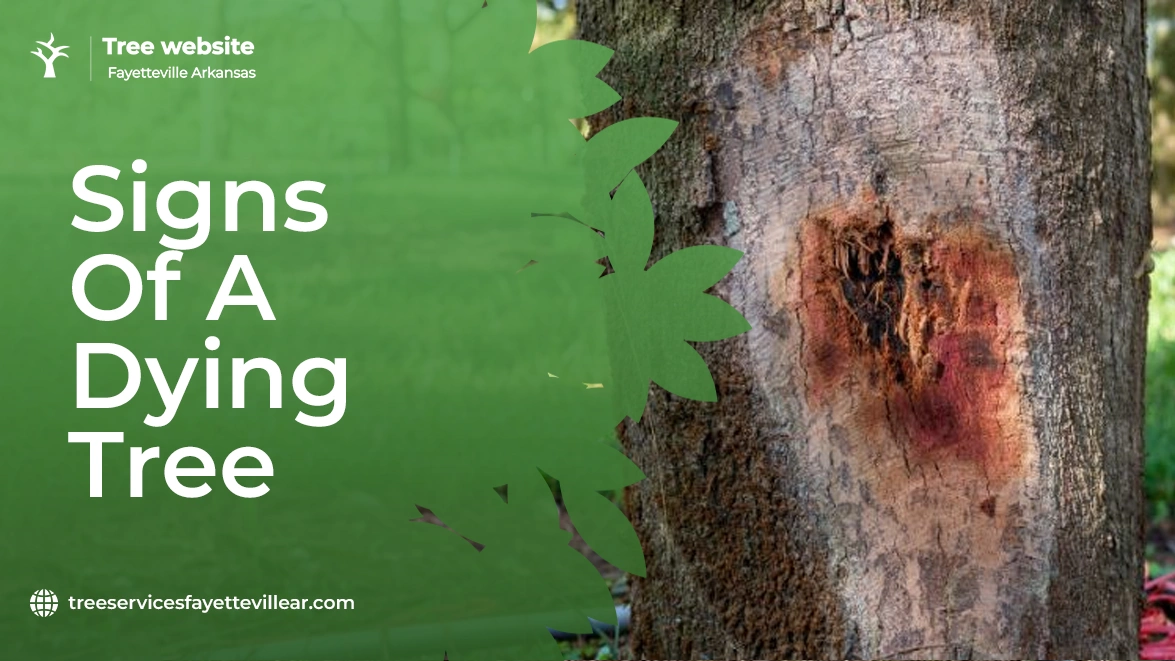
Trees add beauty, shade, and life to our surroundings. They clean our air, provide homes for birds and animals, and make our neighborhoods more pleasant. However, trees can get sick or even die. Recognizing the signs of a dying tree early can help you take action. These signs include weak branches that snap easily, peeling bark, and discolored or missing leaves. Look for mushrooms growing on the trunk, a sudden lean, cracks in the trunk, exposed roots, and unusual sap. Insect infestations can also indicate serious issues with the tree.
Factors to Consider When Identifying a Dying Tree
Here are some common indications that your tree may be in trouble:
Branches Snap Easily and Fall Often
One of the first signs of a dying tree is weak branches. If you notice branches breaking easily or falling to the ground without much wind or stress, this can be a risk to the property. Healthy trees have robust, strong branches that can withstand various weather conditions. When branches break easily, it can indicate internal decay or that the tree does not have enough nutrients. If you see this happening, you should monitor the tree closely, as it may need immediate care or removal.
Bark Is Peeling or Missing
The bark is the protective coating of a tree. Bark shields the inner wood of the tree from pests, illness, and extreme weather. If you notice big areas of bark hanging loose or missing, this is a sign that the tree is in trouble. Peeling bark may indicate diseases like cankers or insects like borers. If large bark sections are missing, the tree is left exposed to infections, which may kill it.
Leaves Are Discolored or Missing
Leaves provide a tree with the means to live, as they are involved in food production via photosynthesis. The tree may be stressed when leaves are yellowing, browning, or dropping early. Healthy trees normally have healthy green-colored leaves during growth. If the leaves are discolored, this may be a sign of over-watering, under-watering, poor soil, or disease. A sudden defoliation, particularly during the growing season, can indicate that the tree is dying.
Fungus or Mushrooms Growing on the Tree
Observing mushrooms or fungi on a tree’s trunk or roots is usually a strong indication of rot. Fungi love dead and rotting wood, so if they are present on your tree, it may already be damaged. This is a sign that the tree could be rotting, weakening it greatly and eventually killing it. If you notice mushrooms at the base, it is important to dig deeper because they are signs of internal problems that should be addressed.
Tree Is Leaning Suddenly
A healthy, growing tree grows straight. If you notice your tree leaning significantly in one direction, it may signify root issues or ground-level instability. A tree may lean due to soil erosion, root damage, or insect infestation. Leaning makes the tree susceptible to storms and heavy winds, and can threaten neighboring buildings and people. If your previously upright tree begins to lean suddenly, evaluating the situation and potentially consulting an expert is crucial.
Cracks or Splits in the Trunk
Cracks or splits in the trunk of a tree are severe indications that must not be overlooked. Cracks expose the tree’s interior to pests and diseases. Large vertical or horizontal splits are a strong sign of extreme stress. Healthy trees don’t crack easily and must have a smooth, cohesive trunk. If you observe extensive damage, then it is time to call for a tree expert to evaluate the condition.
Roots Are Damaged or Exposed
Roots are essential to a tree’s stability and well-being because they take water and nutrients from the ground. If roots are exposed or damaged, this may be a sign of extreme distress for the tree. Exposed roots can be caused by soil erosion, excessive foot traffic, or construction near the tree. When roots are damaged, the tree can’t absorb nutrients properly and may begin to decline. If you notice this condition, take action to shield the root zone or seek advice from an arborist.
Unusual Sap or Sawdust at the Base
Trees release sap to defend themselves against wounds, but excess sap can signal internal issues. When you notice excessive sap oozing from the trunk, it is a sign of internal stress or damage. Also, having sawdust under the tree’s base can serve as a sign of wood-infesting insects. These insects can greatly compromise the internal workings of the tree and cause its deterioration. Should you see either of these indications, it’s important to seek further examination and consider calling a tree care professional for treatment.
Insect Infestations
Insects have a way of wreaking havoc on trees. When you observe insects crawling around your tree or leaves that seem nibbled away, your tree could be infested. Some common offenders are aphids, caterpillars, and bark beetles. These bugs may weaken the tree, causing it to become ill and die eventually. If you see an unusual number of insects, then acting fast by getting rid of the bugs or consulting a pest control expert who knows about tree health is necessary.
Tree Doesn’t Produce Leaves or Flowers
A healthy tree usually grows leaves and flowers during the growing season. If your tree suddenly ceases to produce these essential elements, it is a warning that something is amiss. Non-producing trees may be unable to collect adequate nutrients, be affected by drought stress, or be hit by diseases. If you notice this condition, it is advisable to keep the tree under close observation and call a tree care professional if the problem continues.
Conclusion
Spotting the signs of a dying tree is crucial for its health and safety. Look out for weak branches, peeling bark, and discolored or missing leaves, as these can indicate stress or decay. Also, be mindful of mushrooms, cracks in the trunk, and leaning trees, which can signal severe issues. Pay attention to the roots, sap, and insect infestations. It may be in trouble if your tree isn’t producing leaves or flowers. Prompt action can help save the tree or protect your property from potential risks.
You can also consult Tree Services Fayetteville Arkansas to learn further about the signs.