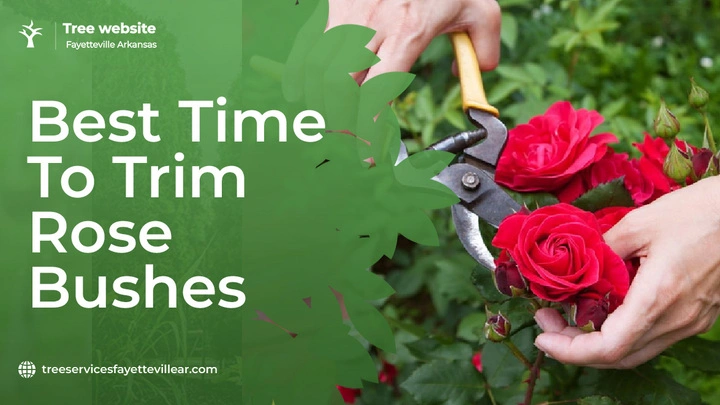
Rose bushes are known for their beautiful and fragrant blooms that enhance any garden. Their sweet scent adds a pleasant fragrance and keeps the garden fresh and healthy. Trimming helps eliminate any broken or dead branches and allows new growth. So, you need to know the best time to trim rose bushes. Trimming them in late winter or early spring, usually in February or March, is best. Avoid trimming during fall, early winter, or frosty conditions, as it can harm the plant. Learning when to do things helps the roses flourish.
Best Season to Trim Rose Bushes
The best time to trim varies based on local weather, rose variety, and growth patterns, but it is generally done between late winter and early spring.
It’s a time when the roses become dormant or begin to sprout. Trimming stimulates their growth in spring and prepares them for a colorful bloom. It also reduces the risk of frost damage and helps plants recover quickly from trimming.
Late Winter
Trimming rose bushes in late winter is one of the optimal times to do it. This time is typically in February or early March in most regions. The plant is storing energy in its roots at this point, and little activity takes place above the ground. Key benefits of late winter trimming:
- Encourages early spring growth
- Removes dead or diseased canes before growth resumes
- Allows gardeners to shape the bush without interfering with blooms
Early Spring
If you didn’t get a chance to trim in late winter, early spring can be the next safe option. This is when rose bushes begin to emerge from dormancy. Buds swell, and you may see the first signs of leaf growth. At this stage, it’s easier to identify living canes versus dead ones. You can shape the plant more precisely. Tips for early spring trimming:
- Trim just as buds begin to swell, but before they open
- Focus on shaping the bush and removing damaged wood
- Avoid trimming too late, as it may interfere with blooming
Trimming After the First Bloom
Some roses, particularly repeat bloomers, will benefit from a minor trim after their initial bloom. It is generally late spring to early summer for most locations. Consider the following when trimming after the first bloom:
- Use lighter cuts to remove spent blooms and shape the bush
- Focus on removing weak or thin stems that sap energy from the plant
- Avoid aggressive trimming, which may delay the next bloom cycle
Avoid Trimming at These Times
It’s advisable to avoid trimming during the following periods:
Late Fall or Early Winter
Trimming rose bushes in early autumn is not recommended. During this time, the plant is getting ready to enter dormancy. Unintentional trimming will stimulate new growth, which the plant lacks the energy to support as winter approaches. Why avoid late fall trimming?
- New growth may appear, only to be damaged by frost
- The plant loses its natural protection against cold
- Trimming during this time can weaken the bush overall
During Frost
Never trim rose bushes during or immediately after a frost. Frosty weather makes plant tissue brittle and vulnerable. When you trim during freezing conditions, the cuts heal slowly or not at all and can become entry points for disease or rot. Risks of frost trimming:
- Damage to freshly cut stems
- Inhibits proper healing
- Increased likelihood of dieback
Factors Affecting Trimming Time
Several factors influence the best time to trim your rose bushes:
Type of Rose
Not every rose bush is the same, and the type you are cultivating can significantly alter the optimum time for trimming. Common rose types are:
- Hybrid Teas & Floribundas: Benefit from yearly trimming in late winter or early spring.
- Climbing Roses: Often trimmed after blooming to save the flower buds of the upcoming season.
- Old Garden Roses: Many bloom only once; trim them after flowering in late spring or early summer.
- Shrub Roses: Versatile and forgiving, they can be trimmed lightly throughout the season.
Local Climate
Your geographic location and climate also play a huge role in trimming timing. For instance:
- In mild climates, trimming may occur earlier in the year due to fewer frost risks.
- In colder regions, waiting until late winter or early spring is safer.
Blooming Cycle
The blooming cycle of your rose bush is one of the most important factors to consider. Know your bloom cycle:
- Once-blooming roses: Trim immediately after their flowering cycle ends.
- Repeat bloomers: Benefit from regular, light trimming throughout the season
- Continuous bloomers: May require occasional trimming to keep them in shape and stimulate continuous blooms.
Harvesting flowers too early or too late can reduce blooms the following year.
Trimming Tips for Your Rose Bushes
To trim your roses effectively, use the following simple tips:
- Use Sharp Tools: Use clean, sharp pruning shears to ensure precise cuts and reduce plant injury.
- Remove Dead or Deceased Wood: To keep the plant healthy, trim any black, brown, or wrinkled stems.
- Cut at 45-Degree Angle: Make cuts about 1/4 inch ahead of an outward-facing bud at a 45-degree angle.
- Thin Out Crowded Regions: Eliminate crossed branches to permit air flow and prevent disease.
- Clean Up Debris: After trimming, remove all cuttings and fallen leaves from around the plant to prevent disease.
Conclusion
The best time to trim rose bushes is late winter or early spring, when the plant is still dormant. It will encourage the plant to produce strong branches and healthy flowers. Avoid trimming during fall, early winter, or frosty periods, as cold weather will damage the plant and slow its growth.
While you trim, consider your rose variety, climate, and flowering seasons. With proper timing and technique, your rose bushes will thrive and bloom beautifully throughout the year. For expert rose bush trimming services, contact Tree Services Fayetteville, Arkansas, today and keep your garden blooming year-round.