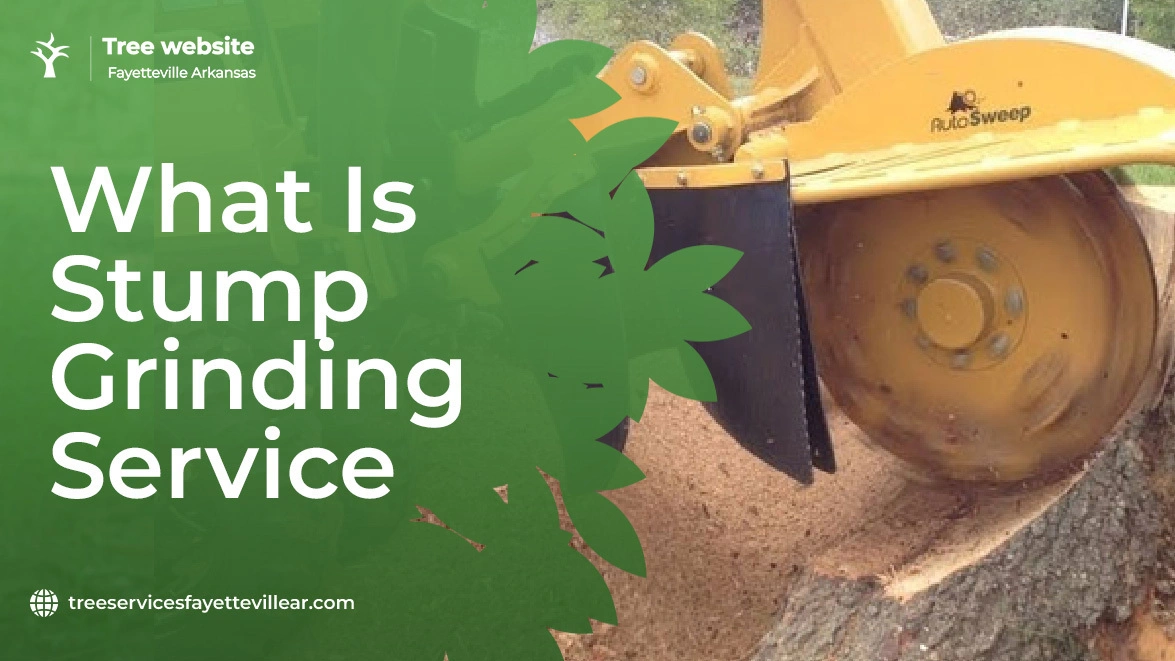
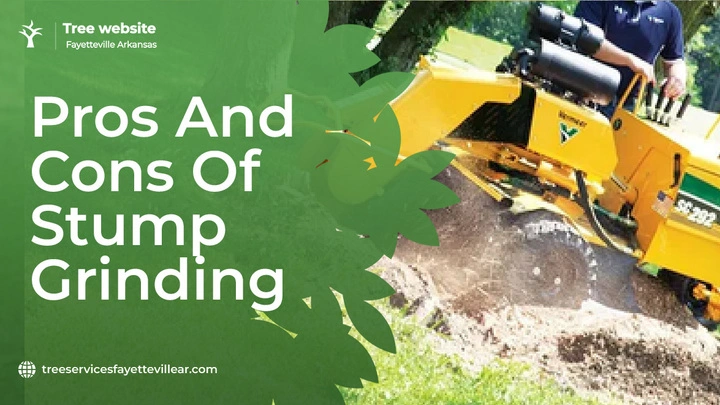
Stump grinding is the removal of the visible portion of a tree stump after a tree has been cut down. A powerful rotating cutting disc is used in this process as it chips away at the woody area. Before hiring a professional, it’s important to understand the pros and cons of stump grinding.
This service offers quick removal, enhances yard appearance, and reduces pest habitats. Safety is improved as there are no tripping hazards, it’s eco-friendly, and there is less landscape disturbance than alternatives. Though it does not remove roots, it may damage your lawn and cost more, or you may need an alternate method if your tree type is not good for grinding.
Pros of Tree Stump Grinding
Let’s explore the key advantages of choosing stump grinding to deal with those lingering tree stumps.
Quick and Efficient Removal
One of the biggest benefits of stump grinding is its speed and efficiency. Traditional stump removal can be lengthy and labor-intensive, but grinding offers a faster alternative.
- Saves Time: Depending on the size, stump grinding usually takes an hour or so, making it a clear time-saver.
- Minimum Labor: The machine does most of the work, eliminating the need for intensive digging.
This quick turnaround is especially beneficial for landscaping projects with tight deadlines or homeowners eager to reclaim their yard.
Improves Yard Appearance
An unsightly stump is more than just an eyesore; it takes up living space that was once part of a classy lawn.
- Aesthetic Appeal: Rather than grinding it right into the ground, which shows off a yard’s true beauty, grinding results in an appealing landscape.
- Greater Landscaping Choices: With the stump gone, you gain flexibility to plant new trees, flowers, or grass in its place.
Prevents Pest Problems
Old stumps often attract termites, beetles, fungi, and rodents, which can spread to nearby trees or even your home. Grinding eliminates this risk by removing their nesting area.
- Pest Control: Stump grinding removes a potential home for rodents and bugs and helps with pest control.
- Reduces Infestations: Especially important when the tree comes down because of disease or lumber pests.
This stump removal reduces the chance of future pest issues while benefiting the health of nearby vegetation.
Reduces Risk of Accidents
Tree stumps pose tripping hazards, especially in high-traffic areas or homes with children and pets.
- Safety Improvement: Stump grinding prioritizes safety by removing tripping hazards.
- Avoids Equipment Damage: A heavy-duty lawn mower or equipment could be damaged when it goes over a stump.
Safety is common when choosing stump grinding for residential yards and commercial properties.
Environmentally Friendly Option
Stump grinding is usually more environmentally friendly than removal.
- Less Disturbance: Since it does not involve uprooting, the land around and the soil are not disturbed.
- Natural Decay: Remaining roots decay naturally, enriching the soil over time.
- Mulch Reuse: The wood chips produced can be repurposed as mulch to retain moisture and improve your garden’s appearance.
Cons of Tree Stump Grinding
Despite its many benefits, stump grinding is not a one-size-fits-all solution. There are some potential downsides you should know.
Doesn’t Remove the Roots
One drawback of stump grinding is that the roots remain underground, where they may slowly decay or potentially sprout new growth.
- Risk of Regrowth: Certain species, such as poplars or willows, may sprout new shoots from the roots.
- Root Decay: Roots can take years to decompose fully, and may attract fungi during this time.
If removing the tree and preventing it from regrowing is your primary objective, grinding the stump alone may not be sufficient.
Extra Costs for Full Removal
While stump grinding is generally more affordable than full stump removal, additional services like root removal or ground leveling can increase costs.
- Add-on Costs: Services like root removal, soil leveling, or hauling away wood chips may incur extra charges.
- Disposal Fees: Certain companies charge a fee for the remaining wood chips.
A definite quote is initially required to determine what is included in the service and what extra costs are involved.
Equipment Can Damage the Lawn
Although efficient, stump grinders are heavy machines that may damage turf, compact soil, or leave grooves behind if not operated properly.
- Turf Damage: Grinding can lead to grooves, hardpan soil, or injured grass.
- Cleanup Required: You might be required to plant new grass seeds or install new grass upon grinding.
Hiring an experienced professional can minimize harm, but certain issues are inescapable.
Not Suitable for Every Tree Type
While stump grinding works well for most trees, some species with large or deep root systems, like hardwoods, may not be ideal candidates.
- Hardwoods vs. Softwoods: Hardwoods like oak or hickory may require more time and wear on equipment.
- Location Constraints: Grinding may not be possible if the stump is too close to structures or utility lines.
In such cases, chemical or manual removal may be more appropriate.
Conclusion
Stump grinding is a fast, eco-friendly solution. It makes your lawn look better and safer from pest infestation. If timing and budget are a concern, stump grinding is perfect for most homes and businesses, particularly large commercial ones. However, stump grinding won’t remove roots, can ruin the lawn, and is not suitable for all trees or areas.
Considering the pros and cons of stump grinding will help determine whether you need this service. To determine if stump grinding is the right solution for your property, contact a trusted professional like Tree Services Fayetteville, Arkansas, for expert advice and customized service.