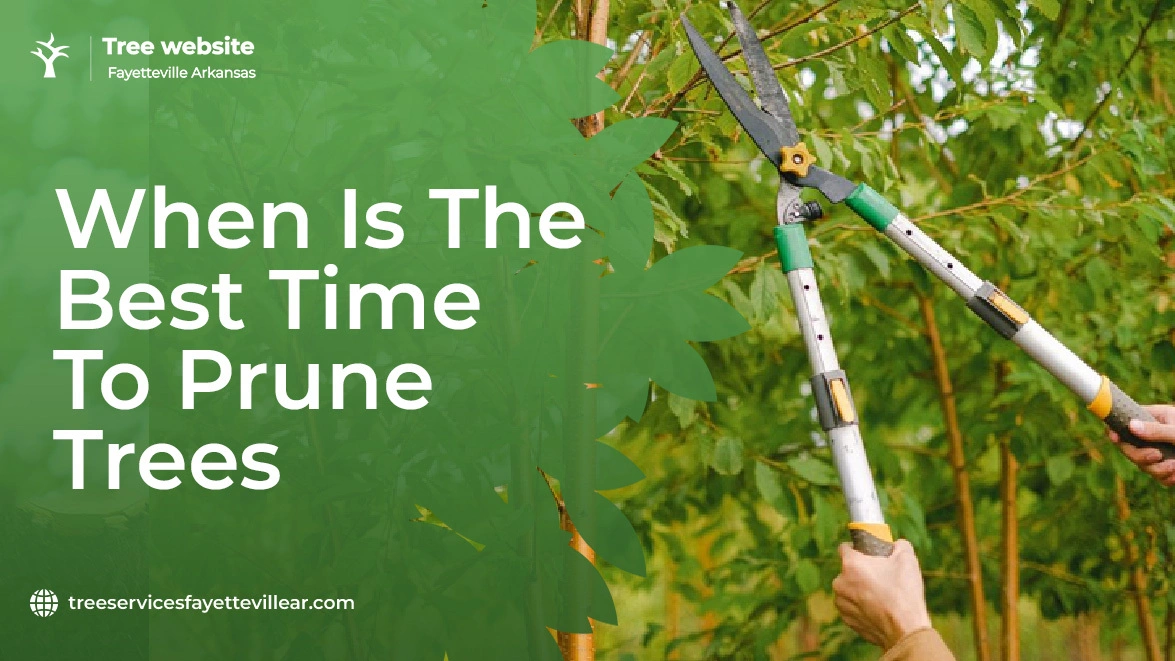
Trimming trees and bushes is an important part of garden upkeep. It helps to keep the plants healthy, encourages new growth, and makes them look appealing. But knowing when to trim bushes and trees helps you get the most out of your efforts. The best time for trimming trees and shrubs is different for every type of plant. For most trees, trimming during their dormant season—usually late winter to early spring—is ideal.
For spring flowers, do not trim until they have finished flowering. Summer-blooming flowers can be trimmed late in winter or early spring. Little trimming is required for evergreen trees, and it is important not to trim them in late summer and fall. Trim oak trees only in winter to avoid disease.
Trimming Guidelines to Consider
Before you trim, look at the type of plant you have. Every tree and bush has different growth habits, which help determine the best time and method for trimming.
- Use clean, sterile equipment: This enables clean-cutting and prevents disease transmission.
- Remove dead branches: This helps plants grow and prevents disease from spreading.
- Don’t Over-trim: Never remove more than a third of the plant to prevent stress.
- Know Plant Type: Various plants require special trimming; knowing your plant determines whether it’s the ideal time.
Optimal Timing for Trimming Trees and Shrubs
The best time to trim trees and shrubs depends on your plant type and what you are trimming for. Some people trim to shape the plant, remove dead branches, or encourage healthy growth. Whatever your reason, trimming at the right time helps keep your plants healthy and looking great.
The ideal time to trim is when the plant is not growing. This period is referred to as dormancy. Plants rest during dormancy, so trimming them back does not stress them as much.
Late Winter to Early Spring: Ideal for Most Trees
Late winter and early spring are the optimal seasons for trimming most trees. During this period, trees are not growing and are still dormant. Trimming in late winter lets you remove dead or damaged branches before spring, so the tree can focus on growing strong and healthy.
Spring-Flowering Shrubs: Trim After Blooming
For spring-blooming shrubs, it is advisable to wait until after flowering. These plants flower on last year’s growth, and trimming them before they flower can cut off the buds used for the next year’s flowers. For instance, if you trim lilac bushes too early, you may miss the beauty of their flowers.
Once the flowering season has passed, you can safely trim these shrubs to maintain their shape. Trim shortly after blooming to shape the plant without affecting its summer growth.
Summer-Flowering Shrubs: Trim in Late Winter or Early Spring
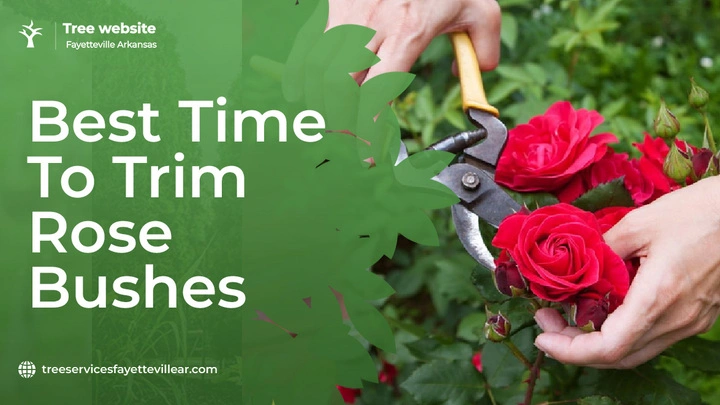
Late winter or early spring is an appropriate time to trim for summer-flowering shrubs such as rose bushes or hibiscus. These flowers will typically come on new growth, and you can safely cut last year’s branches to enable new growth in the spring.
Trimming these bushes at the appropriate time allows them to develop healthy new growth that will bloom later in the summer. It also gives the plant a bushy, fuller, and healthier appearance.
Evergreen Trees: Minimal Trimming Needed
Like spruces and pines, evergreen trees do not typically require a lot of trimming. If you believe you should trim, late winter or early spring is ideal. Unlike deciduous trees, evergreens grow more slowly and continuously, so they need much less trimming.
Remember that excessive trimming will shock an evergreen and prevent growth, so concentrate on shaping instead of brutal cutting.
Avoid Trimming in Late Summer and Fall
It is advisable not to trim bushes and trees in late summer and fall. Plants in these seasons prepare for winter and use their energy to survive. Trimming them at this time can weaken the plants and make them more susceptible to disease and winter damage.
Also, trimming plants in late autumn will cause them to produce new shoots that will not survive the winter. Therefore, waiting for the appropriate time before trimming much is wise.
Special Consideration: Oak Trees
If you have oak trees, they require special attention. You should trim oak trees only during the winter when they are dormant. This is necessary to prevent oak wilt, a fungus that can damage oak trees.
Waiting until late winter helps protect oak trees from disease. Always look into local regulations to do your best to take care of oak trees in your area.
Consult Local Guidelines and Professionals
Knowing when to perform tasks like shrub and hedge trimming depends largely on your local environment. Local gardening resources and experts can offer valuable insights into your area’s weather patterns, soil conditions, and plant types. This guidance helps ensure your trimming practices support healthy growth year-round.
Additionally, neighborhood gardening clubs and services often host workshops or seminars that teach effective trimming techniques and other essential plant care practices, making it easier for home gardeners to maintain thriving landscapes.
Conclusion
Learning the best time to trim trees and bushes is essential for their health and beauty. Late winter to early spring is generally the best period for most trees and summer-blooming shrubs. For spring-flowering shrubs, wait until after they bloom, while evergreens require minimal trimming. Avoid trimming during late summer or fall, as this can stress plants.
To trim a tree without killing it, always remember to use clean tools, follow proper pruning techniques, and avoid over-trimming. Consulting local tree services can help you follow the best practices for your specific plants and conditions. Taking these steps will keep your garden strong and vibrant.