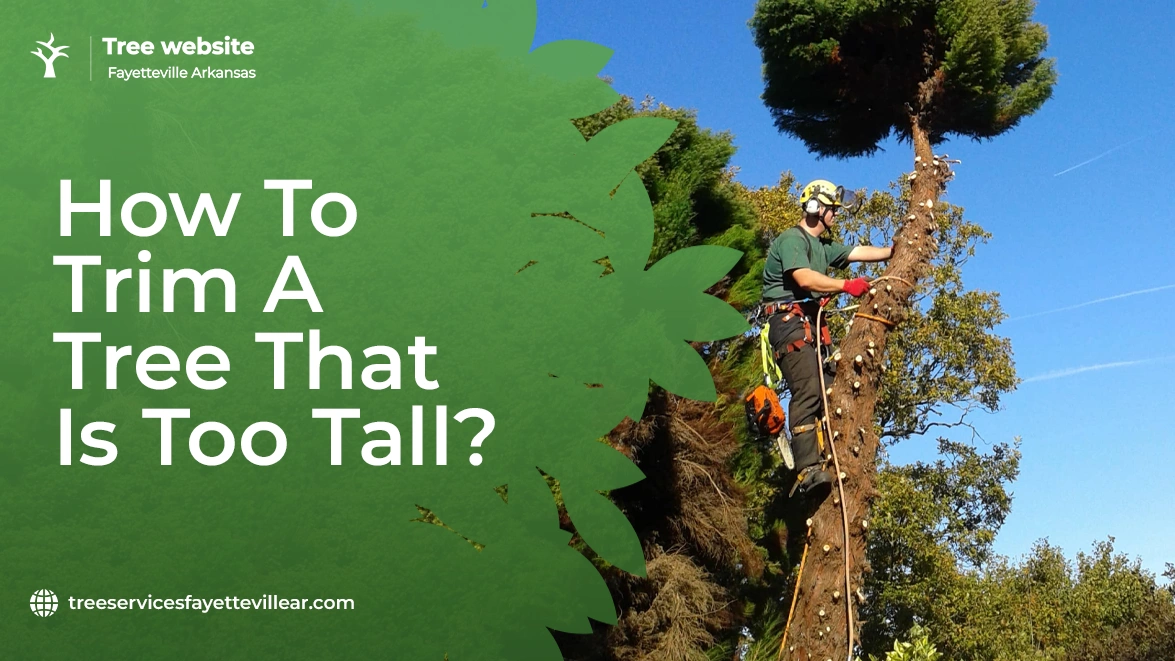
A towering tree in your yard might look majestic. But when it grows too tall, it can become a problem. You may wonder what your options are, as performing a task at a 15-20-foot height can be dangerous for anyone inexperienced. It can be done with careful consideration to maintain the tree’s health while ensuring safety. To trim a tree that is too tall, start by cutting one-third of the crown rather than topping. Then, remove specific limbs to control the height and reduce the density of unwanted branches without damaging the structure. We recommend getting the help of a professional arborist as the safest option. But if you have budget constraints, you can attempt to trim it yourself using the right techniques.
Step-by-Step Guide to Cut a Tall Tree
Overgrown trees may interfere with power lines, block sunlight, or pose serious risks to your property during storms. Executing the right trimming techniques can help you shape the tall tree standing in front of your home safely.
1: Understand the Pitfalls of Topping Trees
Cutting off the top of a tree is generally discouraged because it harms the tree’s health and ruins its natural form. It may temporarily reduce the size but creates a large wound that makes the tree vulnerable to rot, pests, and diseases.
Topping responds by growing multiple weak shoots from the cut branches. These new shoots are more prone to breaking and compromise the overall aesthetic of the tree. Therefore, topping a tree should always be replaced with other healthier alternatives.
2: Start Trimming Trees with Proper Planning
Recognize your reasons for trimming – are you cutting for safety or aesthetics? Take a moment to evaluate thoroughly all the conditions and potential hazards you might face during the job and prepare accordingly. Once you establish clear objectives, gather all the necessary tools. You may need:
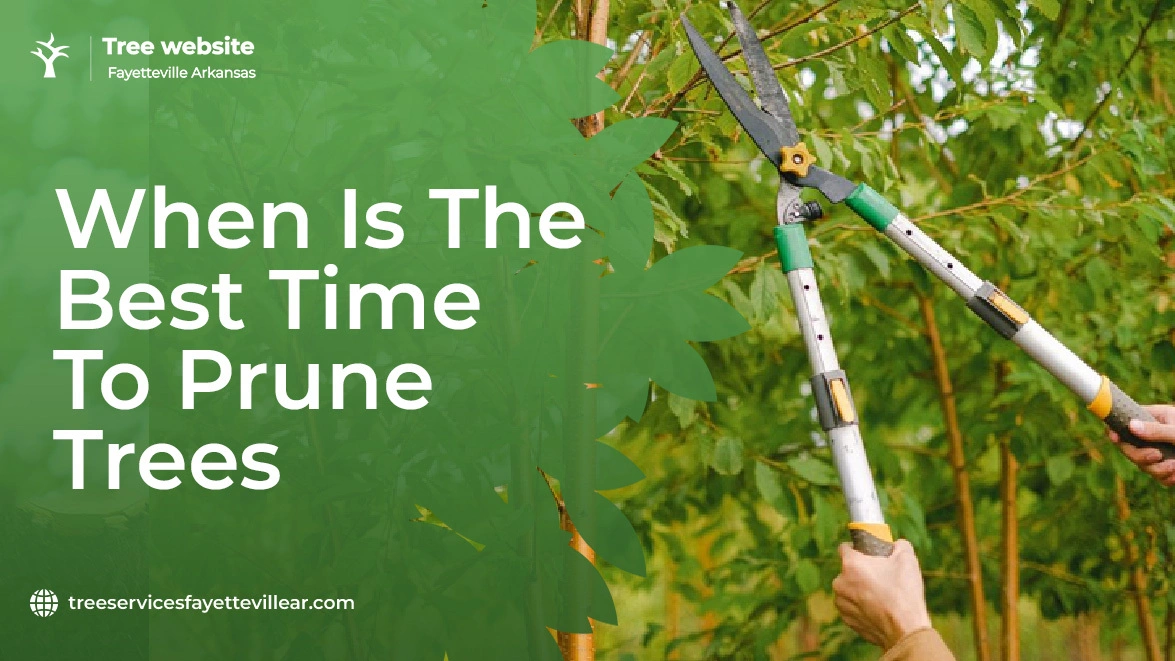
- Trimming shears
- Loppers
- Hand or pole saw
- Rope and harness
- Safety gear – gloves, and a helmet
- Ladder or extension to reach high areas
For most taller trees, cutting work requires the assistance of a crane to help access upper branches. This can be difficult for a homeowner to arrange, but professional tree services have the equipment and expertise to handle the job safely and efficiently.
3: Use Accurate Techniques for Trimming a Tall Tree
Crown reduction and canopy thinning are the approaches used mostly when trimming large trees. Here is a step-by-step guide to shape your overgrown tree safely.
- Remove problematic branches: Begin by cutting off the branches that cross each other or grow inward toward the tree’s center to improve air circulation and light exposure.
- Make initial cuts to remove weight: Use the three-cut method for large branches with a diameter over 1 inch.
- First, cut on the underside of the branch (about 18 inches from the trunk). It should be one-third to one-half-way through.
- Second, cut an inch further out on the branch. This will be from the top until the limb breaks free.
- Third, locate the branch collar and cut just outside of it at a 45-degree angle. Do not leave a stub.
- Thin out crowded areas: Selectively trim a few branches to create an open, balanced look without over-trimming.
- Reduce height gradually: Shorten the tallest offshoots in stages instead of chopping off the top. It keeps the tree looking natural and prevents stress damage.
- Post-trimming care: Dispose of the cut branches properly by renting a roll-off dumpster, using a wood chipper for mulch, or arranging for curbside pickup. Clean your equipment with rubbing alcohol to avoid disease spread.
Safety Tips When Trimming an Overgrown Tree
Cutting such larger trees can be dangerous, with the risk of falling from height and falling limbs. It is important to use proper safety precautions and maintain a distance from power lines (if running through tree branches). Never work alone—have someone nearby to help in case of emergencies. Also, use a sturdy ladder and secure it properly.
If the tree is too tall, too close to power lines, or requires heavy-duty cutting, it is better to hire a certified arborist from Tree Services Fayetteville, AR. We use specialized trimming equipment and best practices to ensure everyone’s safety.
Conclusion
Effectively trimming a tree that is too tall involves careful planning and the right tools. Start with small cuts, use the safe method, and never rush the process. Avoid topping. Instead, use selective cutting and crown reduction techniques to ensure your tree grows healthy and beautifully. But if in doubt, seek professional tree care services to keep trees at a manageable height in a safe manner.