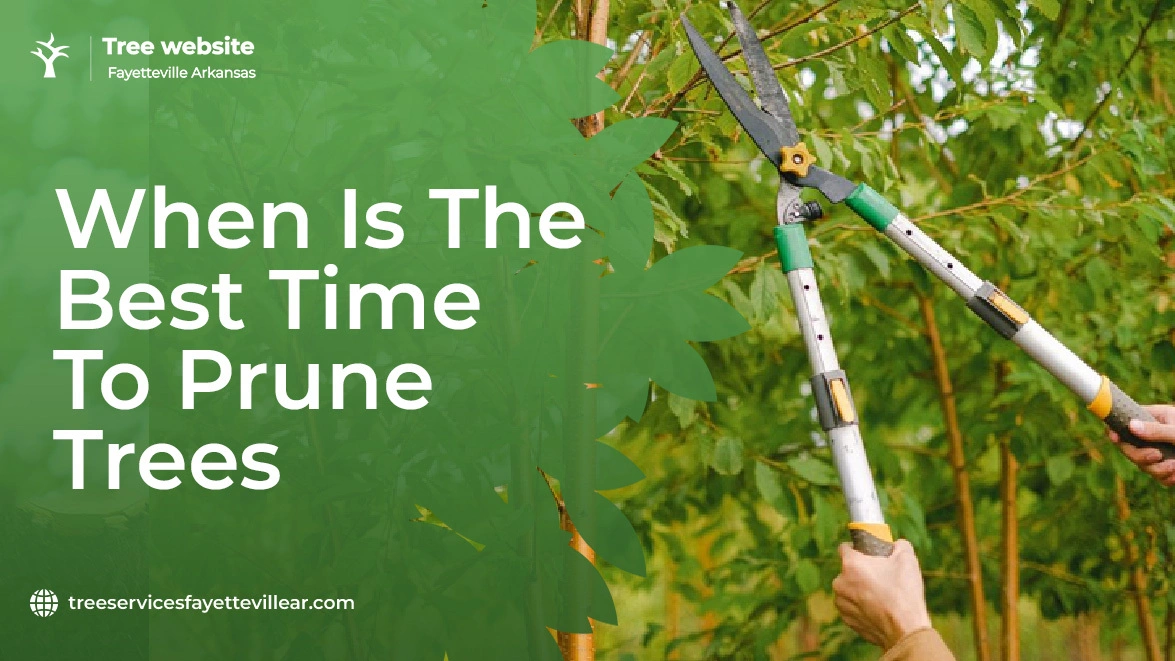
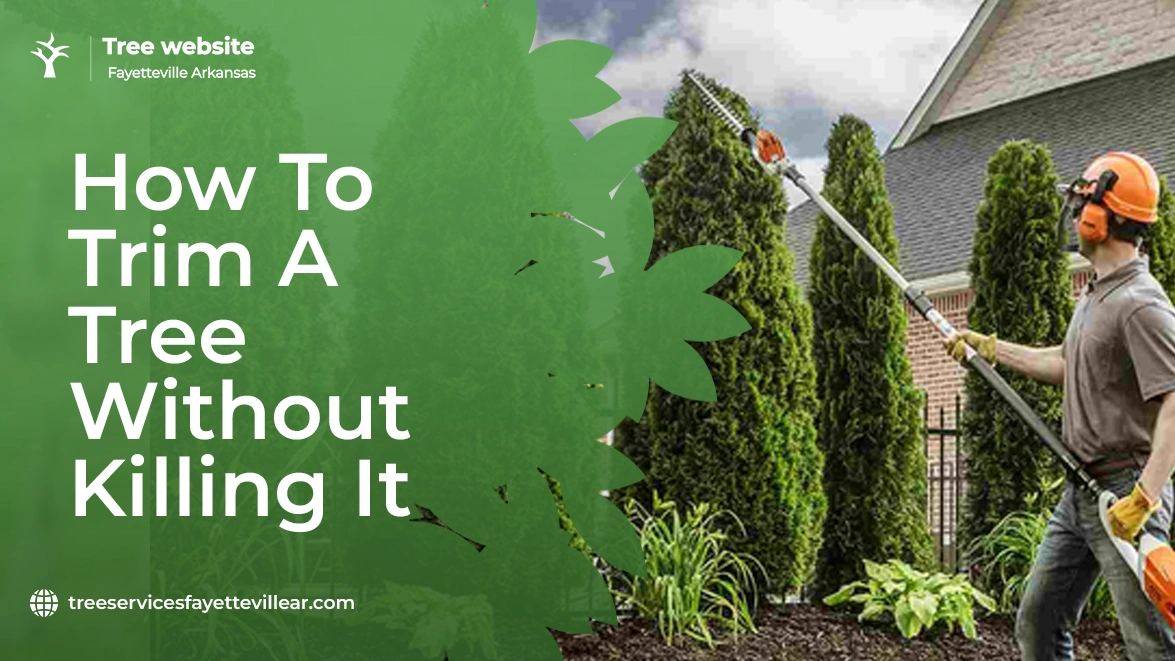
Tree trimming is important to the health and beauty of the tree. It enables the tree to grow properly and utilizes its natural shape effectively. Trimming a tree without killing it requires choosing the right time and safe techniques, ideally late winter when the tree is dormant. Inspect the tree for rubbing and dying branches, and use sanitary tools such as loppers and hand trimmers. Trim above the branch collar and never trim more than 25% of the tree. If unsure, call a professional to maintain the tree’s health.
Methods To Trim a Tree Without Killing It
The following are effective ways to trim your trees without killing them:
Safe Tree Trimming Techniques for Healthy Growth
Correct tree trimming involves cutting some branches to help make the tree stronger. The primary objectives include removing unnecessary branches, providing good air circulation, and giving the tree a shape or form. It’s important to understand the difference between tree trimming and tree pruning, as trimming typically focuses on improving the tree’s appearance, while pruning is more concerned with its long-term health and structural integrity.
Among the most common trimming practices are:
-
-
Crown Thinning: This technique involves trimming branches to help minimize the tree’s weight and facilitate light and air reaching the leaves.
-
Crown Raising: Removing lower branches to allow pedestrian clearance or cars.
-
Crown Reduction: Decreasing the size of the tree while retaining its natural shape.
-
Crown Cleaning: Eliminating dead, sick, or weak branches from the crown.
-
These techniques help keep a tree strong and healthy.
Choosing the Right Time to Trim
The best time to trim is during the tree’s dormant season — typically late winter, from February to early March., late winter (February to early March). The trees are less likely to get stressed or ill, and you can easily observe their shape without leaves. But there are exceptions:
- Flowering Trees: Trim them after blooming to prevent the removal of flower buds.
- Avoid Fall Trimming: Trimming in early fall can cause new growth that is vulnerable to winter damage.
Always look up the specific needs of your variety of trees before deciding when to trim.
Assessing the Tree Before Trimming
Step back before you pick up your tools and evaluate the tree. This is your opportunity to determine what needs trimming for beauty and balance. Ask yourself:
- Does the tree look even, or is one side heavier?
- Are there any long or droopy branches that don’t match the shape?
- Would reducing a few areas allow more sunlight to come through?
Think of the tree as a sculpture. You are trimming to bring out its best form. Planning before you cut helps avoid removing too much or damaging the tree’s natural shape.
Using the Correct Trimming Tools
When you have the right tools, trimming is less hazardous and more effective:
- Hand Trimers: The best for trimming small branches up to ¾ inch thick.
- Loppers: For branches up to 2 inches thick.
- Trimming Saws: Most appropriate for larger branches.
- Pole Trimmers: Allow you to trim high branches without climbing a ladder.
Keep your tools clean and sharp so they make smooth cuts. This makes the job easier and ensures neat, clean cuts that support healthy growth.
Making Proper Cuts
Good cutting techniques should be used to prevent harming the tree:
- Cut Outside the Branch Collar: The branch collar is the woody region where the trunk and branch join. Cutting outside the branch collar allows the tree to heal perfectly.
Apply the Three-Cut Method to Large Branches
Use the three-cut method to avoid bark tearing on large branches:
- Remove 6–12 inches from the trunk to avoid tearing the bark.
- Cut again at the top, slightly above the initial cut, to trim the branch.
- Cut the remaining portion slightly outside the branch collar.
- Don’t make flush cuts or stubs, as these interfere with the tree’s healing and future growth.
Limiting the Amount Removed
It’s easy to get carried away when trimming a tree, especially if you aim for a specific shape. But remember: less is more.
- Avoid removing more than 20–25% of the tree’s crown (the leafy top) in one season.
- Removing too much can slow the tree’s growth and reduce its ability to make food from sunlight.
- Instead, take your time. Trim a little each year if needed. Slow and steady shaping is better than doing it all at once.
Avoiding Harmful Practices
While proper techniques matter, avoiding harmful practices is just as important. Certain activities can hurt or kill your tree, such as:
- Topping: Cutting the top of a tree will leave it weak and sick.
- Applying Wound Paints: These can lock in moisture and encourage rot. Allow the tree to heal naturally.
- Trimming During Active Growth: Don’t trim during active growth, which stresses the tree and exposes it to pests and diseases.
Always use good practices to keep your tree healthy.
Monitoring Tree Health After Trimming
After cutting back, watch your tree closely:
- Watch for Stress Symptoms: Wilting, yellowing, or dieback may indicate issues.
- Look for Diseases or Pests: Look for unusual spots, insect infestation, or holes.
- Make Sure Wounds Heal: Wounds should start to heal within a few weeks.
Watching your tree closely helps find problems early and keeps it healthy.
Get Professional Help
Hiring a professional may be more expensive, but it can prevent you from making errors that will result in long-term damage or even necessitate the removal of the tree. Relying on professional tree trimming services ensures proper care, preserving the tree’s health and structure over time.
- Recognize Challenging Situations: If the tree is too tall, near power lines, or has a serious illness, it is advisable to hire a professional tree service.
- Consult Experts: Arborists may help decide the optimal treatment and trimming technique for your tree’s specific species and health conditions.
- Prevent More Damage: A professional has the proper tools and expertise to trim safely without jeopardizing the tree’s health.
Conclusion
Trimming a tree without killing it is essential for maintaining its health and structure. Safe techniques like crown thinning, raising, and cleaning can improve air circulation and give the tree a proper shape. Remember to choose the right time for trimming, ideally in late winter, and always assess the tree before making any cuts to ensure you are promoting its well-being.
Using the proper tools and making careful cuts are key to avoiding harm. If you’re unsure or dealing with a challenging situation, don’t hesitate to seek professional tree services. They can provide the expertise needed to keep your tree healthy and thriving.