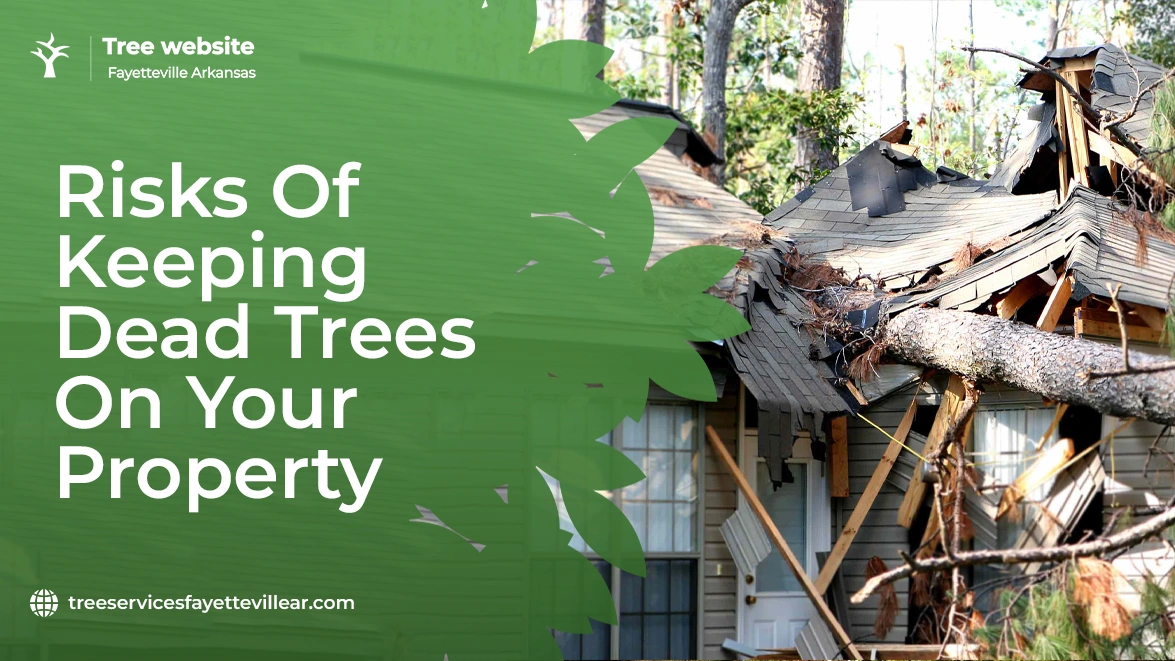
A dead tree poses serious risks, so you shouldn’t ignore it. Falling branches can damage your house or vehicle. Termites, rodents, and other pests can spread quickly. Some other risks of keeping dead trees on your property include tree infections and an increased risk of fire hazards during dry weather.
A single dead tree can lead to costly repairs, serious safety risks, or even legal issues. Therefore, prompt action is crucial. Tree services can guide you on proper tree care, including feeding, watering, pruning, trimming, and enriching the soil. Additionally, tree inspection and consultation can help identify potential issues early, allowing you to maintain the health of your trees and safeguard your property before problems become out of control.
What Are the Impacts of Dead Trees?
Dead trees can affect the appearance of your lawn and lead to costly damage, such as safety issues and pest infestations. If you ignore the dead tree on your property, you can face the following issues:
1. Safety Hazard
Falling branches or even a full tree collapse are major safety hazards. Dead trees become unstable, especially during storms, and can cause serious injury or damage to people, vehicles, or buildings nearby. Falling limbs can cause serious harm or damage to surrounding properties. If you notice signs that a tree needs to be cut down, such as brittle branches, missing bark, or fungal growth, it’s crucial to take action before it becomes a safety risk.
2. Attracts Pests and Infestations
A dead tree is a home for pests such as termites, carpenter ants, and wood-boring beetles. These insects damage dead trees and can spread to surrounding live trees, your garden, and even your house.
A hollow tree trunk can serve as a nesting site for rodents and insects. This increases the possibility of an infestation, leading to more significant issues in your home or garage.
3. Increases Fire Risk
Dead trees can be a major fire hazard, particularly in hot, dry weather. A single spark or lightning strike could start a fire that spreads swiftly if your house is close to open fields or forested areas.
A dead tree can feed the fire, increasing the risk of serious damage to your house, surrounding buildings, and gardens. To lower this risk, it’s a good idea to get rid of dead trees, and for added security, consider contacting a tree service contractor.
4. Reduces the Value of Property
Front yard appearance is important, especially if you plan to sell your property. A dead tree in the yard makes it less attractive and implies poor maintenance. Potential buyers may see it as a red flag—and a costly removal procedure. Even if you are not selling, a dead tree might give the impression that the entire property is neglected. It’s an eyesore that devalues your investment in gardening and outdoor decor.
5. Spreads Disease to Other Trees
Dead or sick trees can spread fungal infections like root rot, canker, or oak wilt to nearby healthy trees. Spores can spread through the air, soil, or insects, quickly polluting your landscape. One diseased tree can cause substantial damage, leading to greater tree loss and higher removal costs. Early removal of the tree prevents risks and protects your yard. For effective prevention and care, tree health and disease management services can help address and control tree diseases before they spread.
6. Legal Liability Issues
You can face legal issues if a dead tree falls onto a neighbor’s land and damages a neighbor’s property. Homeowners are responsible for keeping their homes secure, and neglecting a dead tree may result in legal action or penalties. A qualified tree service can help you address these issues.
7. Property and Utility Damage
As dead roots die, the tree may shift or fall unexpectedly, causing damage to underground pipelines, services, and neighboring structures. A falling tree can also shatter driveways, destroy fences, and cause irrigation system damage, often costing more than removing the tree.
What Are the Causes of the Death of a Tree?
A tree might die for many reasons, and you should understand them to prevent tree death and keep your landscape healthy.
- Inadequate Watering: Trees need water to live. Inadequate watering or a lack of water will cause trees to wilt and weaken.
- Unfavorable Soil Conditions: If the soil is too hard, does not have the necessary nutrients, or holds too much water, tree roots cannot grow.
- Insect Infestation: Termites and beetles consume trees, making them weak and unhealthy.
- Diseases: Fungal infections, rot, and other growth issues will kill trees.
- Storm Damage: Strong winds, lightning, or heavy snow may uproot trees or break branches.
- Bad Pruning: Too many branches pruned or improperly can harm trees instead of helping them.
- Construction Damage: Digging or heavy machinery near trees can destroy roots and kill trees.
How to Know If a Tree Is Dead?
The following signs indicate a diseased or dead tree and warn you to take action immediately:
- The growth of new leaves stops.
- Bark peeling or missing
- Fungus or mold growth at the base
- Brittle branches that snap easily
- Hollow sounds when tapping the trunk
Conclusion
Keeping dead trees on your property has many risks, as they can harm your landscape. A decaying tree may fall, cause illness, draw bugs, or land you in hot water. Such trees increase the chances of fire hazards, spread disease to other trees, and attract pests and infestations.
Don’t wait if you see indications of degeneration. Address these issues right away to protect your house and property. For immediate assistance, consider contacting emergency tree care services to prevent further damage. To avoid and prevent tree problems, you can get professional help from a trusted contractor such as Tree Services Fayetteville, Arkansas.