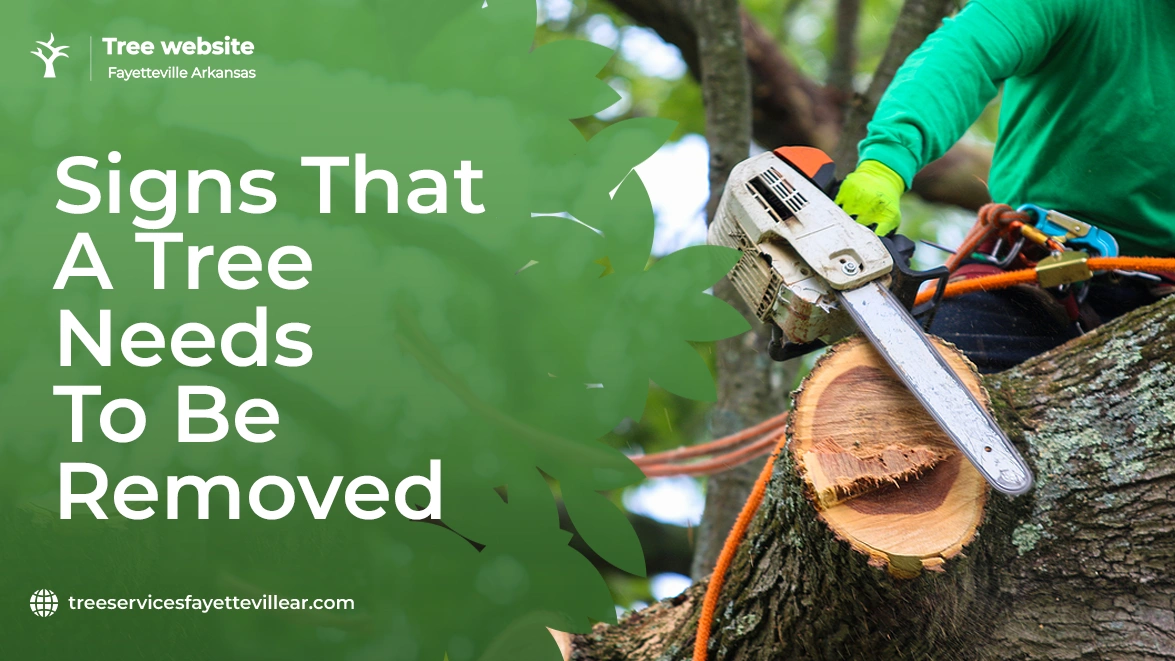
Trees are beautiful additions to any landscape. They provide shade, enhance the beauty of our environment, and even produce oxygen. However, there are certain signs that a tree needs to be removed. These include a sudden lean, cracks or splits in the trunk, dead or falling branches, and damaged roots. Additionally, mushrooms growing at the base, signs of pest infestations, being too close to buildings, and lacking leaves during the growing season can all point to a tree’s declining health.
When to Remove a Tree: Key Indicators of Tree Decline
Below are several signs to keep in mind when deciding whether a tree should be removed.
The Tree Is Leaning Too Much
Some trees grow naturally slightly leaning, particularly when stretching to receive sunlight. Nevertheless, sudden or extreme leaning is a red flag. It may indicate compromised roots or an unstable tree. If the lean is greater than 15 degrees from vertical, the tree could fall during windy or stormy weather.
Leaning trees can unexpectedly fall on houses, cars, fences, or even people. This is especially dangerous if the tree is large or old. If you notice a tree leaning more than it used to, it’s a good idea to have it checked.
The Trunk Has Big Cracks or Splits
The trunk serves as the tree’s main support system. If large cracks, splits, or missing bark are visible, it could indicate that the tree is sick or dying. Cracks can make the tree weak and prone to breaking in storms.
Occasionally, the cracks also expose the tree to disease and pests. You can see deep cracks along and up the trunk, or the trunk splitting open. Some property owners may assume that taking care of the tree will solve the issue. However, in such cases, removal is often the only viable solution.
Dead or Falling Branches
Dead branches are dangerous because they can fall without warning. If you notice branches falling often, especially during calm weather, that tree may be in trouble. Dead branches high up in the tree are called “widow-makers” because they are dangerous.
If more than 25% of the tree has dead branches, the tree is probably too weak to save. A tree that can’t support healthy limbs might not last much longer and should be removed before it causes harm.
The Roots Are Damaged or Uplifted
A tree’s roots are its foundation. The tree may become unstable if the roots are damaged, cut, or exposed. Signs of root damage include:
- The ground rises or cracks around the base.
- Roots breaking through sidewalks or driveways.
- A tree suddenly leans after construction nearby.
Heavy machinery, nearby digging, or poor soil conditions can harm roots. Once the root system is damaged, the tree may not be able to stand or survive for long.
The Tree Has a Hollow Trunk
Trees can survive with hollow trunks for a while, but not forever. A hollow trunk means the tree has lost much of its internal support. Over time, the tree becomes weak and easily breaks or falls over.
You might notice holes or soft areas in the trunk. Woodpeckers often target hollow trees due to the presence of insects inside. If the hollow area is large or spreading, it’s time to consider removal.
Fungus or Mushrooms Are Growing at the Base
Mushrooms and fungi growing around the base of a tree are not just a surface issue. They can be a sign that the inside of the tree is rotting. Fungi feed on dead or rotting wood, so the tree may be decaying from the inside out.
Some types of fungus, like conks or shelf mushrooms, are especially dangerous. If you see these growing on your tree, it’s time to call an expert. The decay they cause spreads slowly but surely and weakens the tree over time.
A Storm Has Hit the Tree
Storms can cause serious damage to trees. High winds, heavy rain, lightning, or ice can break branches, split trunks, or even pull trees out of the ground. After a storm, inspect your trees carefully. Look for:
- Broken or hanging limbs.
- Deep cracks in the trunk.
- Uprooted roots or tilting.
Storm damage can also weaken a tree in ways that aren’t immediately visible. An injured tree may not survive future storms, so preemptive removal is often the safest choice.
The Tree Is Infested with Pests
Pests such as termites, beetles, or carpenter ants may cause extensive damage to trees. These insects eat away at the wood, weakening the tree from the inside. Evidence of infestation includes:
Small holes in the bark.
- Sawdust around the base.
- Tunnels or grooves under the bark.
- Insect activity on or around the trunk.
Infested trees may become unsafe and more likely to fall. If the infestation is too advanced, removing the tree is usually better to stop the pests from spreading to other trees or wooden structures nearby.
The Tree Is Too Close to a Building
Trees too close to houses, garages, or other buildings can be harmful in the long run. Roots can break foundations, ruin sidewalks, or interfere with pipes. The branches can scratch roofs, walls, or windows.
If the tree grows too large for the space, it can become a safety hazard. Even if the tree is healthy, removing it might be the best option to protect your property and avoid costly repairs.
The Tree Is No Longer Growing or Has No Leaves
Trees should show signs of life during their growing season—leaves, flowers, and new branches. If a tree stops growing, doesn’t bloom, or doesn’t grow leaves, it might be dying or already dead.
A tree with no leaves during the spring or summer, or with only a few leaves on some branches, could be in serious trouble. Scratch a small section of the bark—if it’s dry and brown underneath instead of green and moist, the tree is likely dead.
The risks of keeping dead trees on your property include sudden collapse, property damage, and personal injury. Dead trees should be removed immediately because they can fall without warning.
Conclusion
Recognizing the signs that a tree needs to be removed is critical for safety. Look out for leaning trees, cracks or splits in the trunk, dead branches, and any damage to roots. Other red flags include hollow trunks, fungus growth at the base, and storm-damaged trees.
If you see these signs, it’s best to schedule a tree inspection and consultation with professional tree care experts to ensure safe removal and protect your property.