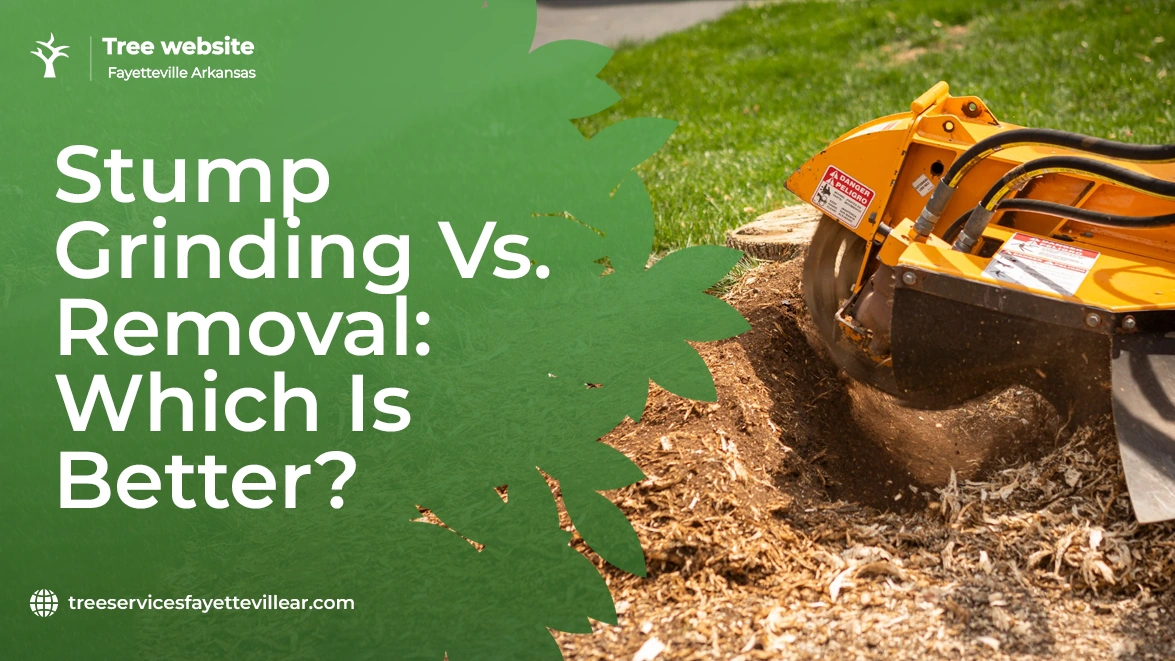
When a tree is cut down in your yard, the stump is left behind—the bottom part of the tree that’s still connected to the roots. Property owners have two main options: stump grinding and removal. Each method offers its own benefits, so consider the differences when choosing which is better. Stump grinding is faster and cheaper, leaving only a small hole filled with wood chips. It’s less disruptive to the landscape. In contrast, stump removal takes more time and costs more, but it completely clears the area, making it better for future planting or building projects.
What Is Stump Grinding?
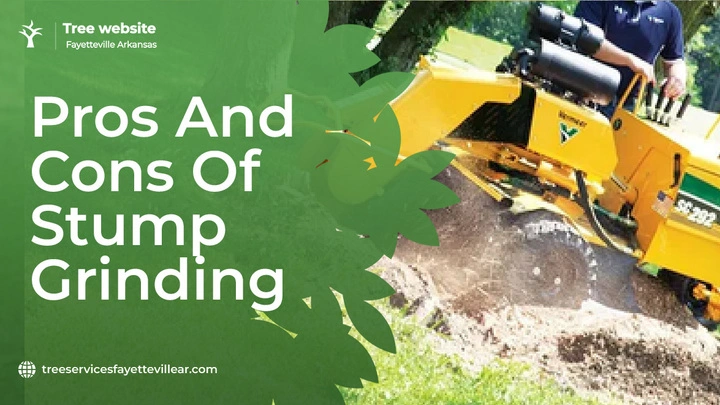
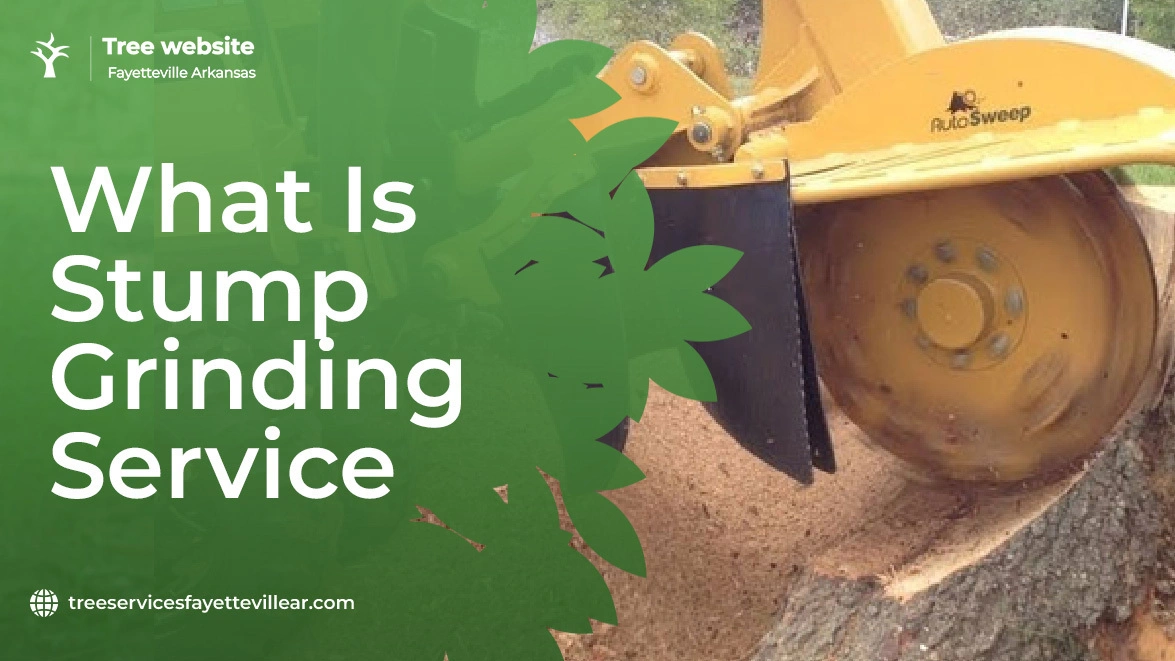
Stump grinding is the process of using a stump grinder to shred the visible part of the stump into small wood chips. Depending on the equipment and your needs, the grinder cuts the stump down to just below ground level, typically 6 to 18 inches deep. The remaining roots stay in the ground and naturally decompose over time.
Benefits of Stump Grinding
- Quick and Efficient: Grinding is faster than full removal and can often be completed in a few hours.
- Less Invasive: It doesn’t require digging up large sections of your yard, so there’s minimal disruption to the surrounding landscape.
- Cost-Effective: Generally, grinding is more affordable than full stump removal.
- Mulch Byproduct: The wood chips can be used as mulch around your garden.
What Is Stump Removal?
Stump removal involves removing a tree’s stump and root system. This process is more time-consuming and equipment-intensive, particularly for large or deeply rooted trees. Stump removal leaves behind a large hole that needs to be filled with soil.
Advantages of Stump Removal
- Complete Elimination: The stump and roots are completely removed, minimizing the possibility of regrowth and eliminating the risks of keeping a dead tree and its stump.
- No Root Decay: Because the roots are being removed, there is no danger of underground decay, which can invite pests or lead to sinkholes.
- Ideal for Replanting: Removal allows for a blank slate if you intend to replant a new tree or construct a building in the same area.
Comparison Table of Stump Grinding and Removal
| Category | Stump Grinding | Stump Removal |
| Time and Effort | Faster, accomplished within a couple of hours, using less labor | Slower excavation of roots and a larger workforce are required |
| Impact on Yard | Less invasive; yard mostly unchanged; roots remain underground | More disruptive, it can damage surrounding plants and leave a large hole |
| Cost | More affordable; uses simpler equipment and less labor | It is more expensive due to heavier machinery and more effort |
| Future Landscaping | Suitable if there are no plans to replant or build in the same spot | Best if planning to replant, lay turf, or build on the exact area |
| Pest & Disease Risks | Roots left can attract termites, ants, fungus, or spread disease | Lower risk; whole stump and roots are removed |
| Environmental Impact | Minimal soil disturbance; better for the yard ecosystem | It can harm nearby plants and compact the soil |
| Safety Concerns | Safe if done professionally; not ideal for DIY | Riskier due to heavy equipment; best left to professionals |
| Aesthetic Outcome | Leaves a small hole filled with wood chips; easy to level and cover | Leaves larger holes that may require more landscaping to restore the appearance |
Making the Decision: Which Option Is Right for You?
Consider the following factors when choosing between stump grinding and removal:
- Purpose: If you plan to replant or build, removal is preferable.
- Budget: Grinding is more cost-effective for general yard aesthetics.
- Time: Grinding takes less time and effort.
- Environmental Issues: Grinding is less damaging to the environment.
- Pest Issues: Stump removal cuts out the root system, thus decreasing pest draw.
Conclusion
Stump grinding and stump removal each have benefits and drawbacks. Stump grinding is often the better choice if you need a quick, affordable solution with minimal disruption to your yard. It allows you to make the area presentable while creating usable mulch from the wood shavings. However, stump removal is best if you plant new trees or structures in the same location. It clears the area of obstructions and helps prevent future pest issues, providing a clean slate for your landscaping purposes. Ultimately, the selection comes down to your preference, budget, time, and purpose. It’s best to consult professional tree services, who can assess the situation and recommend the most suitable solution for your needs.