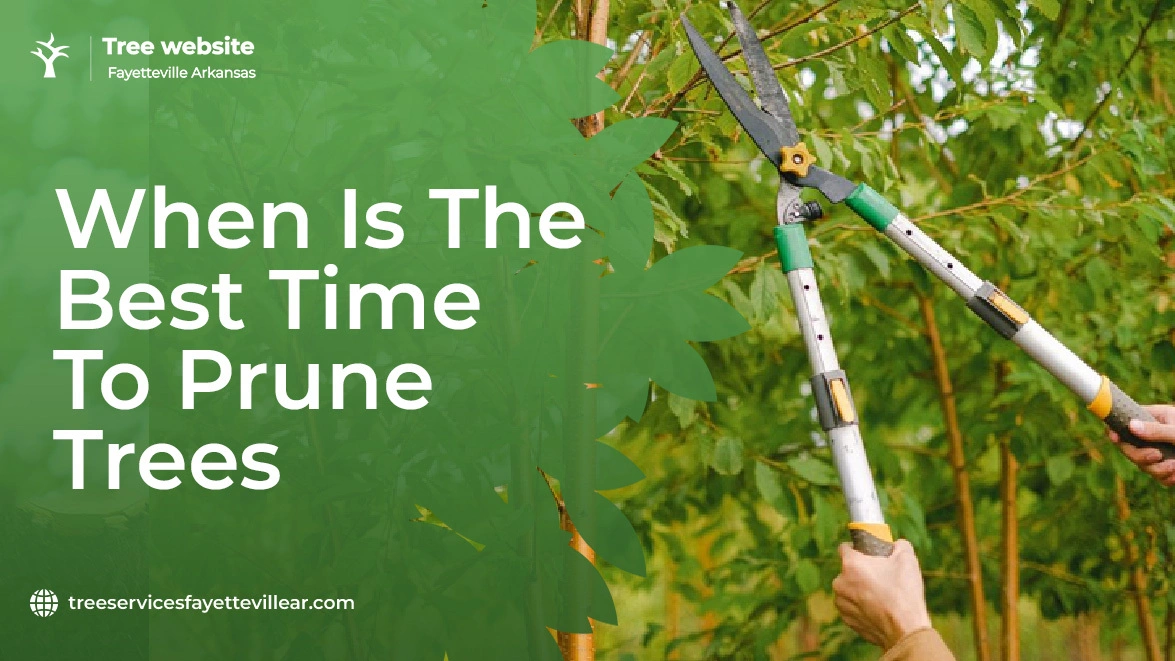
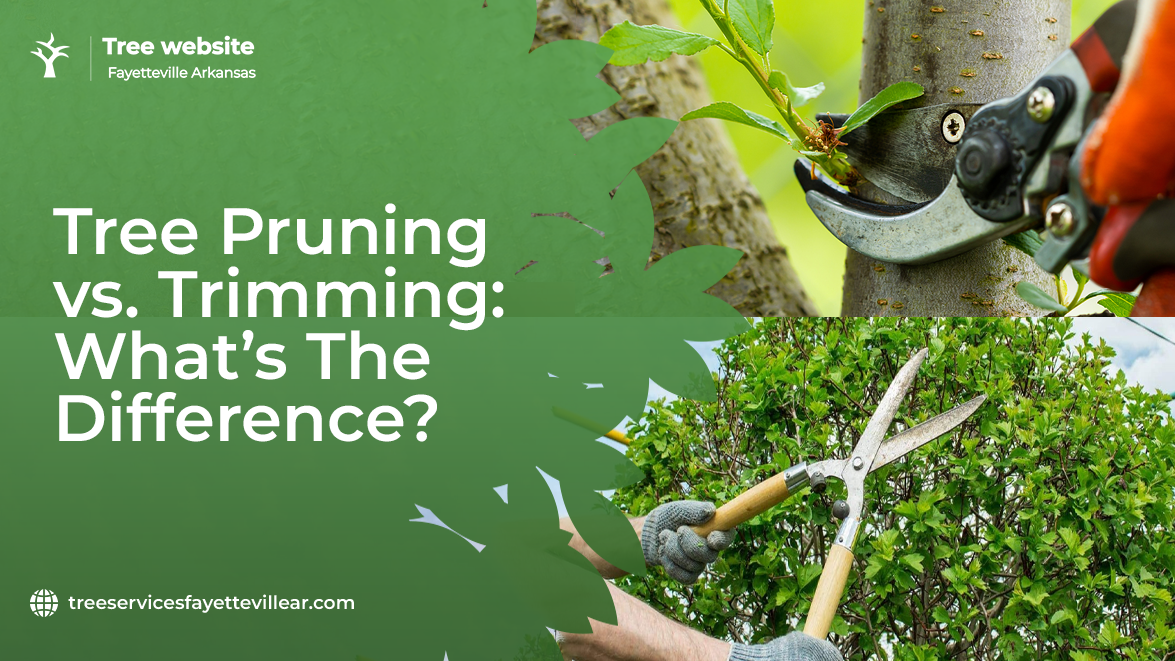
Tree trimming and pruning are two essential tree care services, but many homeowners fail to differentiate between them and become confused in choosing the right service for their tree. Tree trimming and pruning services each play a unique role: pruning improves tree health by removing dead or weak branches, while trimming reduces size and preserves a neat appearance. The ideal solution depends on the circumstances, such as tree shape, decay, sickness, growth problems, or the need for trimming due to overgrowth. In some cases, trees require both services for proper upkeep. Knowing when and why to use each method helps protect your trees, improve their health, and maintain a safe landscape with professional tree care.
What Is Tree Pruning?
Pruning helps to maintain tree health and structural integrity by removing dead, damaged, or diseased branches. It prevents decay, limits pest problems, and promotes healthy growth. This procedure also enhances a tree’s general shape, airflow, and exposure to sunlight.
Moreover, frequent pruning reduces the possibility of long-term damage and falling branches. This maintenance is especially beneficial for trees that exhibit disease symptoms, sluggish growth, or tangled branches.
What Is Tree Trimming?
Tree trimming maintains a tree’s shape, size, and aesthetic appeal. It’s a routine tree service that removes overgrown branches away from structures, electrical lines, and walkways. Trimming helps boost curb appeal, keep trees tidy, and prevent hazards from random branches.
Fast-growing trees, ornamental shrubs, hedges, and trees near buildings require regular trimming. Trimming helps maintain balanced, neat growth, though it does not directly impact internal tree health. It’s also important to maintain your landscape and improve tree health.
Tree Trimming vs. Tree Pruning: Key Differences
The table below highlights the differences between pruning and trimming services to help you understand their uses, techniques, and benefits.
Tree Trimming |
Tree Pruning |
When Is It Needed |
|
| Trimming is helpful when branches grow too close to structures, power wires, roofs, fences, or walkways. It’s a means of controlling overgrown branches before they harm or pose safety hazards. | Pruning is necessary when a tree’s limbs are dead, diseased, or damaged. It eliminates internal issues that, over time, may endanger the tree’s health or cause growth issues. |
Tree Types That Need Service |
|
| Trimming is best suited for fast-growing species that need regular shaping. They include ornamental trees, hedges, privacy shrubs, and trees planted near homes, driveways, or public areas. | Tree pruning is more suitable for fruit trees, flowering trees, immature trees that require early shaping, and older trees with limb damage or structural problems. |
Best Techniques |
|
| You can use hedge trimmers, clippers, or shears to trim. The focus is shaping, thinning excess growth, and maintaining an even form. | Pruning requires precise cuts with instruments like saws, loppers, or shears. The procedure entails cutting near the branch collar to encourage healing and prevent harm to the trunk. |
Suitable Weather Conditions |
|
| Trimming can be done anytime based on growth rate; avoid extreme heat or frost. However, it’s best to avoid extreme heat or freezing conditions that could stress the tree. | Pruning is most effective when the tree is dormant in late winter or early spring. Pruning during dormancy reduces stress and lowers the risk of pest or disease exposure. |
Safety Considerations |
|
| Trimming may involve working near electrical lines or rooftops, which can be risky without proper tools and ladder safety. For tall or hard-to-reach areas, it’s better to hire a professional. | Pruning carries safety risks when dealing with heavy limbs, diseased branches, or tall trees. You should use safety gear because improper cuts can also damage the tree. |
Time Required |
|
| Trimming is a faster routine task. Depending on the size and density of the tree, it may take a short session every few months to maintain appearance and control growth. | Pruning usually takes more time because it involves evaluating each branch carefully and making precise cuts. The duration depends on the tree type and the condition of the limbs. |
Conclusion
Although they have different functions, tree trimming and pruning are crucial for maintaining tree health. Pruning boosts tree growth, removes weak branches, and promotes long-term health. Meanwhile, trimming controls shape limits overreach and prevents interference with structures. Your trees’ state and overall landscaping objectives will determine the best approach. Often, the finest outcomes come from combining the two. For expert tree care services, contact Tree Services Fayetteville, Arkansas, to handle all your trimming and pruning needs safely and professionally.