After removing a tree, the remaining stump can be unsightly and hazardous. That’s when it’s time to call stump grinding service providers. When you hire this service, the professionals bring the machines to grind the stump. As part of the stump grinding process, professionals assess the site, clear debris, and use specialized equipment to grind the stump 4–6 inches below ground level. This work sometimes involves grinding roots, cleaning the area, and evening out the soil. Doing the work correctly ensures your yard stays safe, looks tidy, and is prepared for future improvements or construction.
What Is Stump Grinding Service?
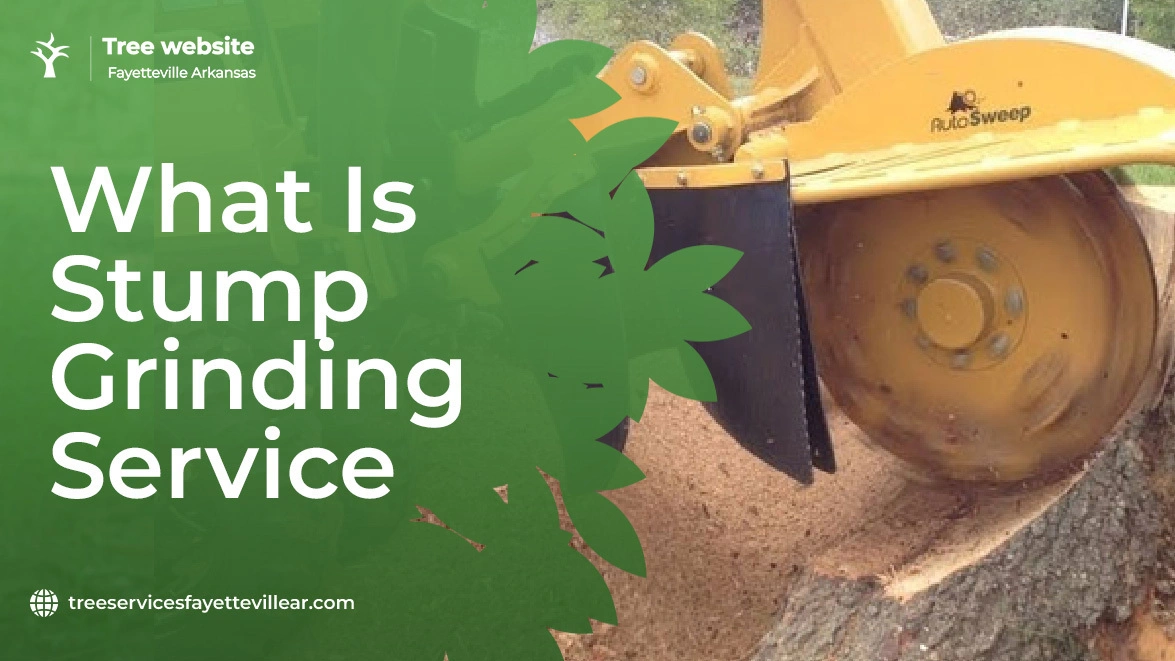
Specialized equipment is used to grind the stump down below ground level. A stump grinder is the primary tool used during the process. Customers may choose to keep or remove the resulting wood chips or mulch.
Key Benefits of Stump Grinding:
- Surface and subsurface grinding: Most grinders can remove the stump several inches below the ground level.
- Mulch production: The process produces mulch, which can be repurposed for gardening or landscaping.
- Does not remove tree roots: Stump grinding does not remove the entire root system, unlike stump removal.
- Affordable and efficient: It is usually less laborious and cheaper than removing the whole stump.
The Stump Grinding Process
Grinding stumps is easy, yet it should be performed with the appropriate tools and qualified labor.
Step 1: Site Assessment
- Initial Inspection: The experts first inspect the site to assess the stump’s size and condition.
- Hazard Identification: They identify hazards such as underground facilities, adjacent buildings, or power lines.
- Planning: The evaluation helps determine the most effective way to accomplish tasks, including equipment needs and the amount of grinding needed.
Step 2: Clearing the Area
- Debris Removal: Loose debris, branches, or stones are cleared away from the stump to prevent damage to the equipment.
- Safety Protocols: Ensure no one except the stump grinding team is near the working area for everyone’s safety.
- Preserving Landscaping: Nearby plants or landscaping should be covered or avoided during grinding.
Step 3: Using the Stump Grinder
- Proper Equipment Placement: The stump grinder must be placed properly, and the equipment must be stable and have access to the stump.
- Placement of the Spinning Disk: The rotating cutting disk is lowered onto the top of the stump.
- Layer-by-Layer Grinding: The operator slowly grinds the stump back and forth and up and down, breaking it up into tiny wooden fragments.
- Controlled Movement: The controlled stump grinding process helps to avoid damaging nearby structures or underground utilities.
Step 4: Depth Control
- Standard Depth: Most professionals grind the stump about 4 to 6 inches below ground level to ensure it’s sufficiently removed.
- Deeper Grinding: If the area is intended for resodding, replanting, or construction, the stump can be ground deeper, typically 12 inches or more, to ensure no obstructions.
- Consistency: Maintaining a uniform depth prevents uneven ground and ensures readiness for landscaping.
Step 5: Clean-Up
- Mulch Collection: Wood chips generated from grinding may be used as a soil amendment or decorative mulch.
- Debris Removal: Remaining wood chips and debris can be removed from the site.
- Ground Leveling: The depression formed after grinding can be leveled with soil, so the area is level and ready for landscaping or other use.
Step 6: Root Grinding
- Surface Roots: Visible surface roots can be ground down if requested, helping prevent sprouting or regrowth.
- Limitations: Grinding does not eliminate deep roots, but visible surface roots can be addressed.
- Use Cases: Root grinding is extremely useful when roots are hazardous or obstruct future landscape designs.
Stump Grinding vs. Stump Removal
Here is a clear comparison between stump grinding and stump removal. It will enable you to notice the difference and make the right decision.
| Feature | Stump Grinding | Stump Removal |
| Process | Grinds the stump down into mulch | Pulls out the stump and the entire root system |
| Time Required | Faster (typically 1–2 hours) | Slower (may take several hours) |
| Equipment Used | Stump grinder | Backhoe, crane, or manual tools |
| Damage to Landscape | Minimal | More disruptive, may leave a large hole |
| Cost | Lower | Higher due to labor and equipment |
| Environmental Impact | Low (no chemicals used) | Higher (soil disturbance) |
| Aftermath | Mulch left behind | Large hole to be backfilled |
| Root System | Roots remain underground | The entire root system was removed |
| Best For | Aesthetic and surface-level needs | Construction or replanting purposes |
Conclusion
Stump grinding is a fast, low-cost way to remove a tree stump and generate mulch, doing less damage to your lawn. The stump is removed using a stump grinder, which grinds down the stump’s visible and shallow subsurface parts. The stump grinding service involves site evaluation, clearing debris, grinding 4-6 inches deep, and optional surface root grinding, all using specialized equipment and certified personnel.
Selecting stump grinding over removal is quicker, more affordable, and environmentally friendly. This service makes it ideal for surface and appearance requirements. Call our professional team at Tree Services, Fayetteville, Arkansas, today for effective and safe stump grinding and cleanup.