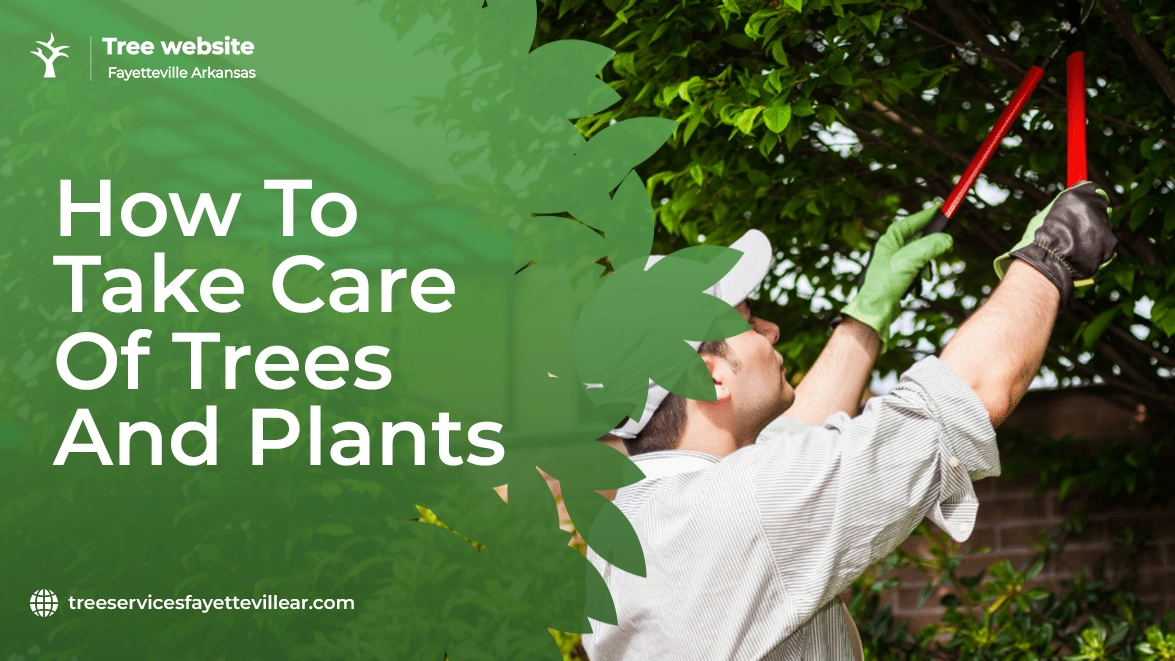
Trees and plants require proper care and attention in order to thrive. To take care of trees and plants, start by giving them sufficient water and sunlight, a nutrient-rich environment, and organic fertilizers. Next, check the soil regularly and mulch around the base. Always keep an eye out for pests and diseases. Moreover, stakes can be used to support the upright growth of the tree. Make sure you trim them seasonally to maintain their aesthetics and prune them when needed to remove damaged branches.
Essential Caring Tips for Trees and Plants
Taking care of your small indoor garden or backyard filled with trees requires strategic planning to ensure they remain evergreen in all seasons. One key factor in ensuring the success of your trees is understanding the best time to plant trees. By planting at the optimal time, you give your trees the best chance to grow healthy and strong. Here are the important care and maintenance steps you should follow to nurture your plants and trees actively:
Pick a Location with Good Sunlight
Plants need direct sunlight for photosynthesis. Therefore, it is essential to position them in the right place where they get sufficient light for at least 3 to 4 hours. You should know that different plants have varying requirements.
- Some need full sun for 6 or more hours per day.
- Some thrive in partial sun or shade and need less than 4 hours.
As per their needs, decide which type of species you can place on your side table in the living room or which needs to be planted in an outdoor space.
Water on a Proper Schedule
Water is a fundamental need of all living organisms, and so is for trees as well. Without it, the rate of photosynthesis decreases and limits the plant’s ability to produce energy. Watering trees and shrubs is certainly important, but doing so overly or insufficiently can harm overall growth. There is a specific guideline of how often you should water your plants and trees.
- Water newly planted trees daily for the first two weeks.
- After that, reduce the timeline to two to three days for the next 3-12 weeks.
- Weekly after 12 weeks until the root system is established.
This is the timeline, but how much is the quantity? The amount of water depends on the trunk caliper. For example, a tree with a 1-inch caliper needs 1-1.5 gallons of water. Determine accordingly or ask a qualified arborist.
Prune to Keep Trees Healthy and Strong
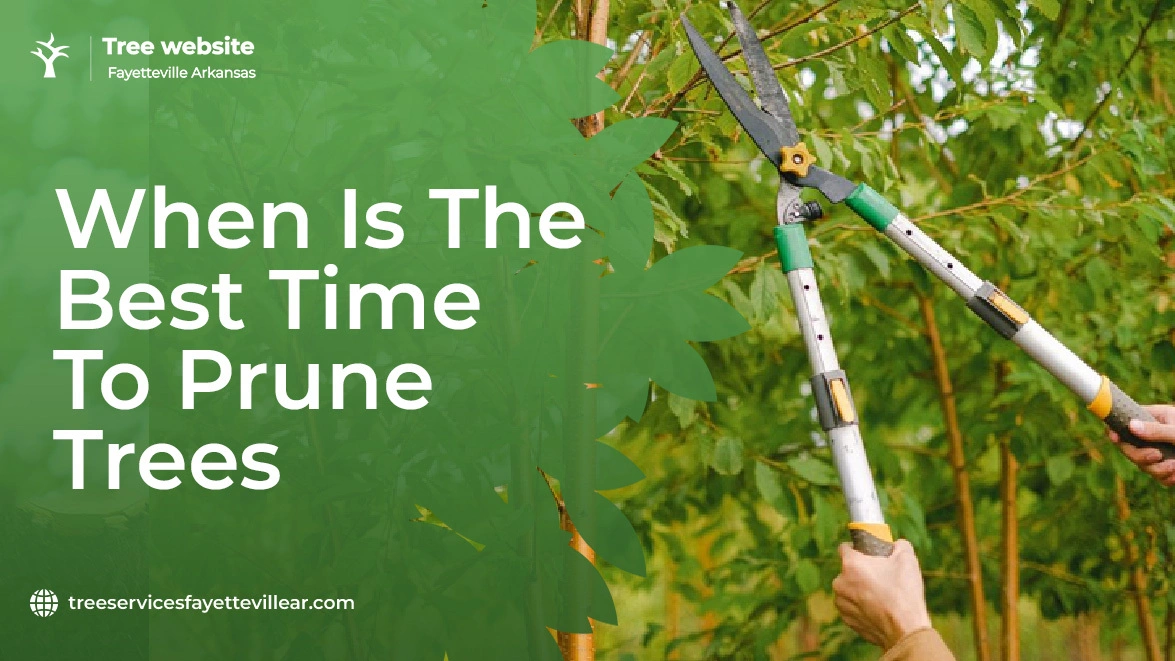
Year-round pruning of damaged and dead branches ensures your plants and trees nurture better. It allows the tree to allocate resources to healthier ones and improves the airflow inside canopy extensions. You should prune trees in late winter and early spring before new growth begins.
However, avoid topping trees, which can cause stress and decay. Little or light pruning practices can be adopted at any time of the year to prevent the spread of disease, but doing so during spring budding or fall leaf drop can waste your tree’s energy reserves.
Use Appropriate Fertilizers to Nourish Your Plants
Good soil provides essential nutrients for growth. So, when you recognize yellowing leaves or stunted growth, it might indicate deficiencies in macronutrients. This requires enriching your garden space with organic matter and fertilizers based on the plants’ needs. Fertilizers supply major elements like nitrogen, phosphorus, and potassium, which are vital for good production and giving saplings their healthy green color. They also provide the micronutrients to support various plant functions. In simple terms, fertilizer replenishes nutrient levels in the soil to ensure your saplings have an adequate amount for metabolic activities and optimal health.
Monitor for Pests and Diseases
This is an important step in maintaining plant health and preventing damage caused by pests and diseases. Regular tree inspection and consultation can help identify potential issues early, allowing for timely intervention with pest control strategies. You can use pesticides or natural remedies to manage pests, but having an expert evaluate your trees will ensure the right course of action is taken.
Conclusion
Caring for trees and plants involves a combination of practices and consistent monitoring. It involves fulfilling the light and nutrient requirements, timely cutting of 3Ds, and using fertilizer to correct soil deficiencies. You should recognize the needs of the specific plant species and take prompt measures accordingly to ensure your greenspace thrives consistently. Its advised to hire professional arborists like Tree Services Fayetteville, Arkansas to address potential issues and recommend sustainable treatments for tree health.